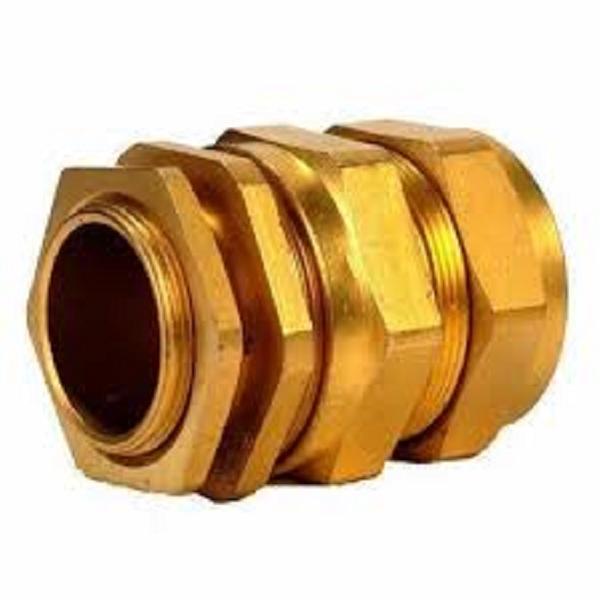
Cable Glands are mechanical cable entry devices used to securely attach and seal electrical cables where they enter equipment, control panels, junction boxes, enclosures, switchgear, motors, and other electrical systems. They provide cable strain relief, environmental sealing, mechanical protection, and secure cable termination. Cable glands are available in different materials, thread types, sizes, and designs to suit electrical, industrial, outdoor, hazardous-area, and instrumentation applications. What Is a Cable Gland? A Cable Gland is a fitting installed at the cable entry point of an electrical enclosure or equipment. It grips the cable and helps prevent unwanted movement while maintaining protection against dust, moisture, and other environmental factors when the appropriate gland and sealing system are used. Types of Cable Glands 1. Brass Cable Glands Brass cable glands are widely used in industrial electrical installations because of their mechanical strength and durability. 2. Stainless Steel Cable Glands Stainless steel cable glands offer excellent corrosion resistance and are suitable for demanding industrial, marine, chemical, and outdoor environments. 3. Nylon Cable Glands Nylon or plastic cable glands are lightweight and commonly used in control panels, electrical enclosures, automation systems, and general-purpose installations. 4. Armoured Cable Glands Armoured cable glands are designed for terminating armoured cables and providing appropriate mechanical and electrical continuity requirements. 5. Double Compression Cable Glands Double compression glands provide enhanced gripping and sealing for suitable armoured cable applications and are commonly used in industrial installations. 6. EMC Cable Glands EMC cable glands are designed to provide cable entry and shielding continuity for applications where electromagnetic compatibility is important. 7. Explosion-Proof Cable Glands These glands are designed for suitable hazardous-area applications where certified equipment and installation practices are required.